BC Workplace Health Compliance Calendar: What's Due and When
Most workplace health requirements in BC are not hard. They are just easy to lose track of, because each one runs on its own clock. This calendar puts them in one place, so you can plan the year instead of reacting to an expired certificate or a missed new-hire deadline.
The first part is general information. The last section explains what Clear Work provides.
The deadlines at a glance
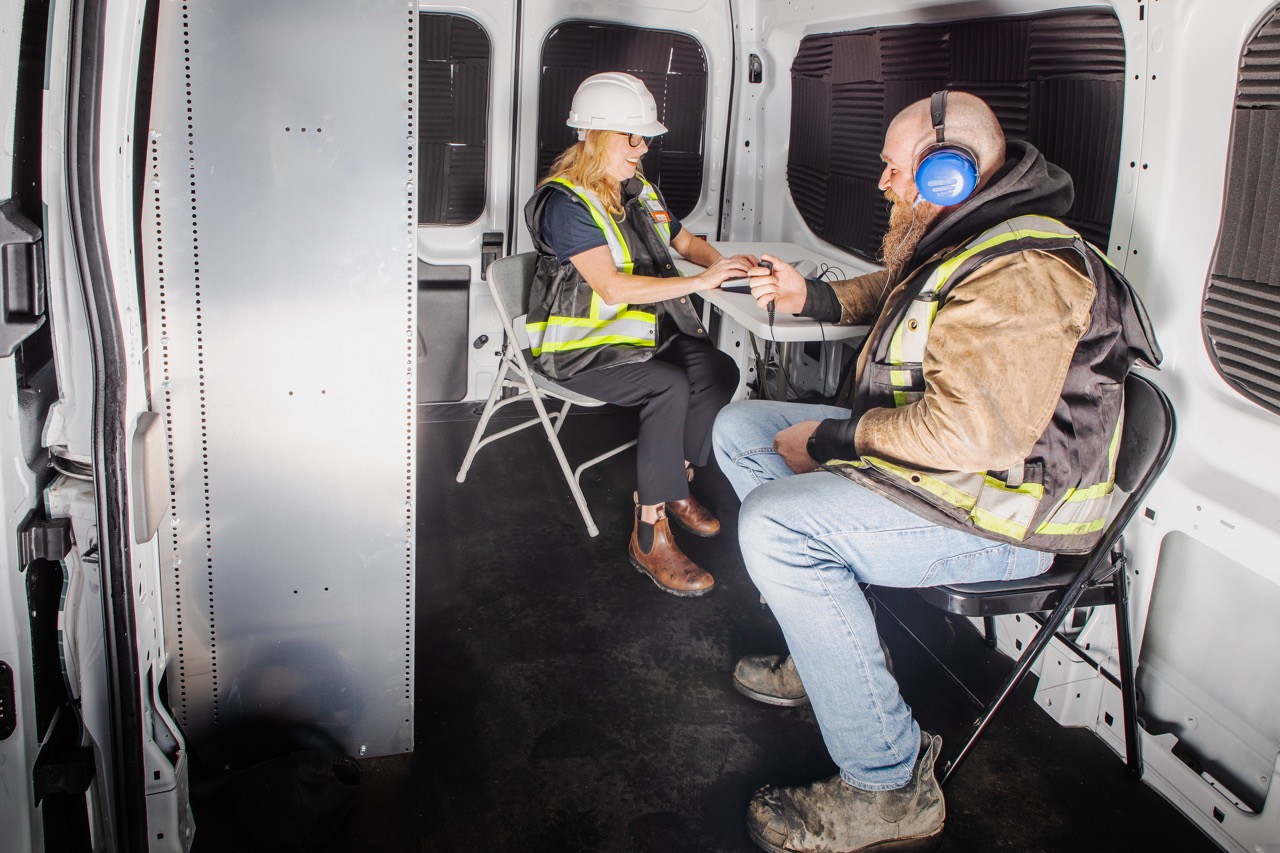
Hearing testing
- New hires: as soon as practicable after starting, and no later than 6 months after the start date, for workers exposed above 85 dBA Lex or 140 dBC peak.
- Everyone exposed: at least once every 12 months after that.
- Your hearing conservation program: reviewed every year.
More detail: the 6-month new-hire deadline and noise exposure limits explained.
Respirator fit testing
- Before first use of any tight-fitting respirator.
- At least once a year after that.
- Whenever the facepiece changes, including a different brand, model or size, and when a change in the worker's face could affect the fit.
More detail: WorkSafeBC fit testing requirements.
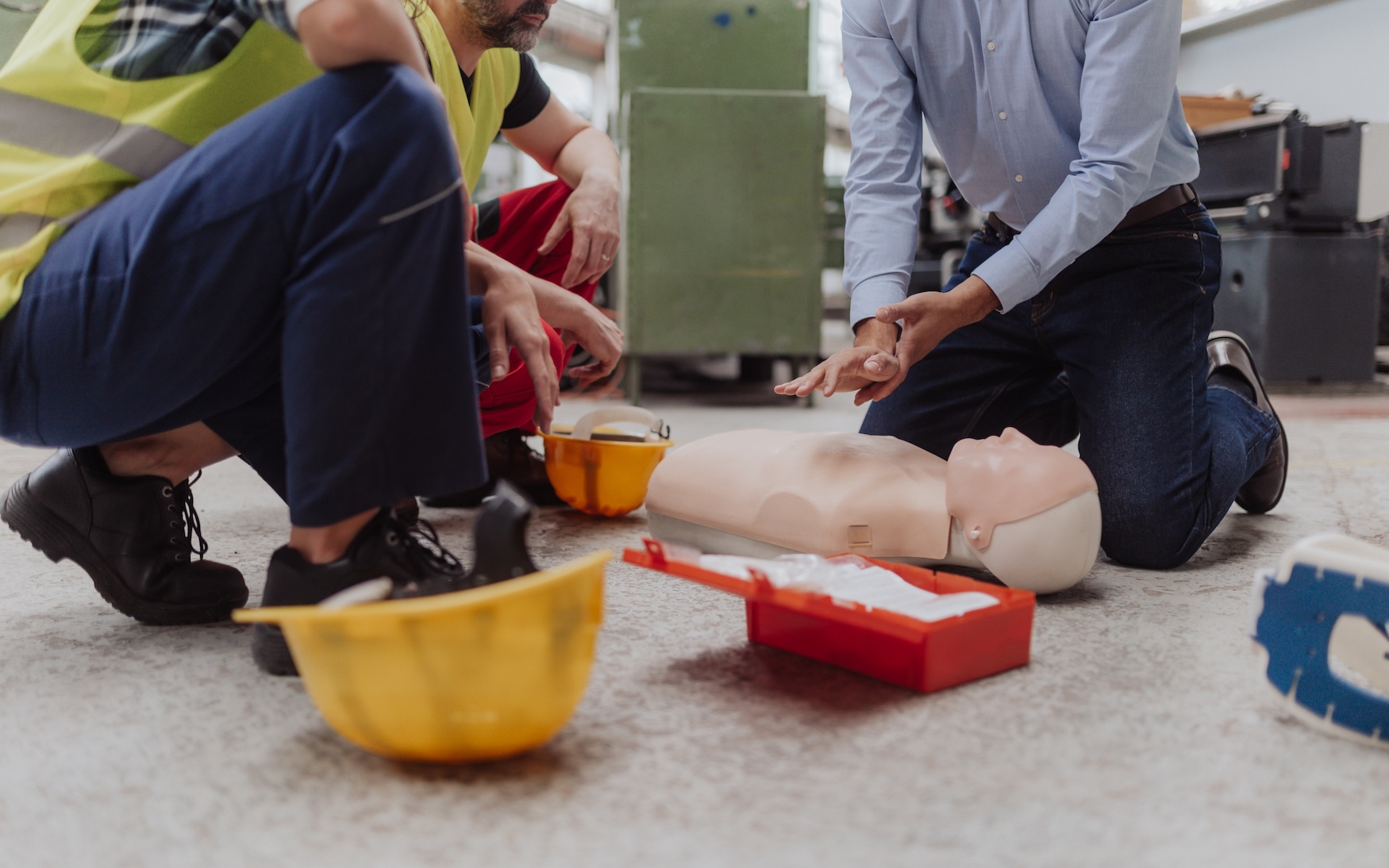
First aid
- Certificates: Basic and Intermediate are valid for 3 years. Renew before they expire, not after.
- First aid drills: at least once a year, or whenever your first aid procedures change significantly.
- Your first aid assessment: revisit it when headcount, shifts, hazards or site location change.
More detail: how to work out your BC first aid requirements, or try the first aid requirements checker.
Flu and COVID clinics
- Season: September to December.
- Booking: two to four weeks' notice secures your preferred dates.
A simple month-by-month plan
Every workplace is different, but spreading the work across the year keeps any one month from becoming a scramble. Here is a pattern that works for many BC employers:
- January to February: review last year's records. Pull a list of who is due for hearing tests, fit tests and first aid renewal in the year ahead. Review your hearing conservation and respiratory protection programs.
- March to April: book first aid recertification for anyone expiring in the next six months. Run your annual first aid drill if it is not already scheduled.
- May to June: respirator fit testing before wildfire season and summer project work, when demand for N95s and half-face respirators goes up.
- July to August: catch up on new hires from the spring. Check that everyone who started in the last six months has had their baseline hearing test.
- September: book flu and COVID clinics.
- October to November: run flu clinics. Schedule your annual hearing testing day if it falls at the end of the year.
- December: look ahead. Note every certificate and test that comes due in the first half of next year.
If you only remember one thing: new hires run on their own clock. A worker who starts in March cannot wait for your November testing day. Build a habit of checking new starts every quarter.
Keep the records where you can find them
When WorkSafeBC asks, you need to show who was tested or trained, when, and with what result. A spreadsheet works if someone owns it and keeps it current. The common failure is not a missing test; it is a test that happened and cannot be proven.
What Clear Work provides
We bring hearing testing, respirator fit testing, first aid training and flu clinics to your site across BC. Results go into your client portal, which shows who is up to date, who is due soon and who still needs following up.
Would you rather not track it at all? The Clear Work Compliance Plan tracks every worker's due dates, reminds you before anything lapses and books the visit. Not sure where you stand today? Take the free 2-minute compliance check.
More free resources in our toolbox talk library.
This calendar is general information, not legal advice. Requirements depend on your workplace; check the current WorkSafeBC OHS Regulation for the exact rules that apply to you.