Toolbox Talk: Getting First Aid and Reporting Injuries
Based on the WorkSafeBC OHS Regulation, Part 3 (Occupational First Aid).
A 5-minute talk from our free toolbox talk library. Fill in the blanks for your site before you start.
Why This Matters
In an emergency, the first few minutes matter most, and they are lost if people have to ask who the first aid attendant is or where the kit is. A small cut or strain that is never reported can turn into an infection or a claim with no record behind it.
Know Your Site
- Who is our first aid attendant? Name them, and the backup for each shift: ____________
- How do you call for first aid? Radio channel, phone number or procedure: ____________
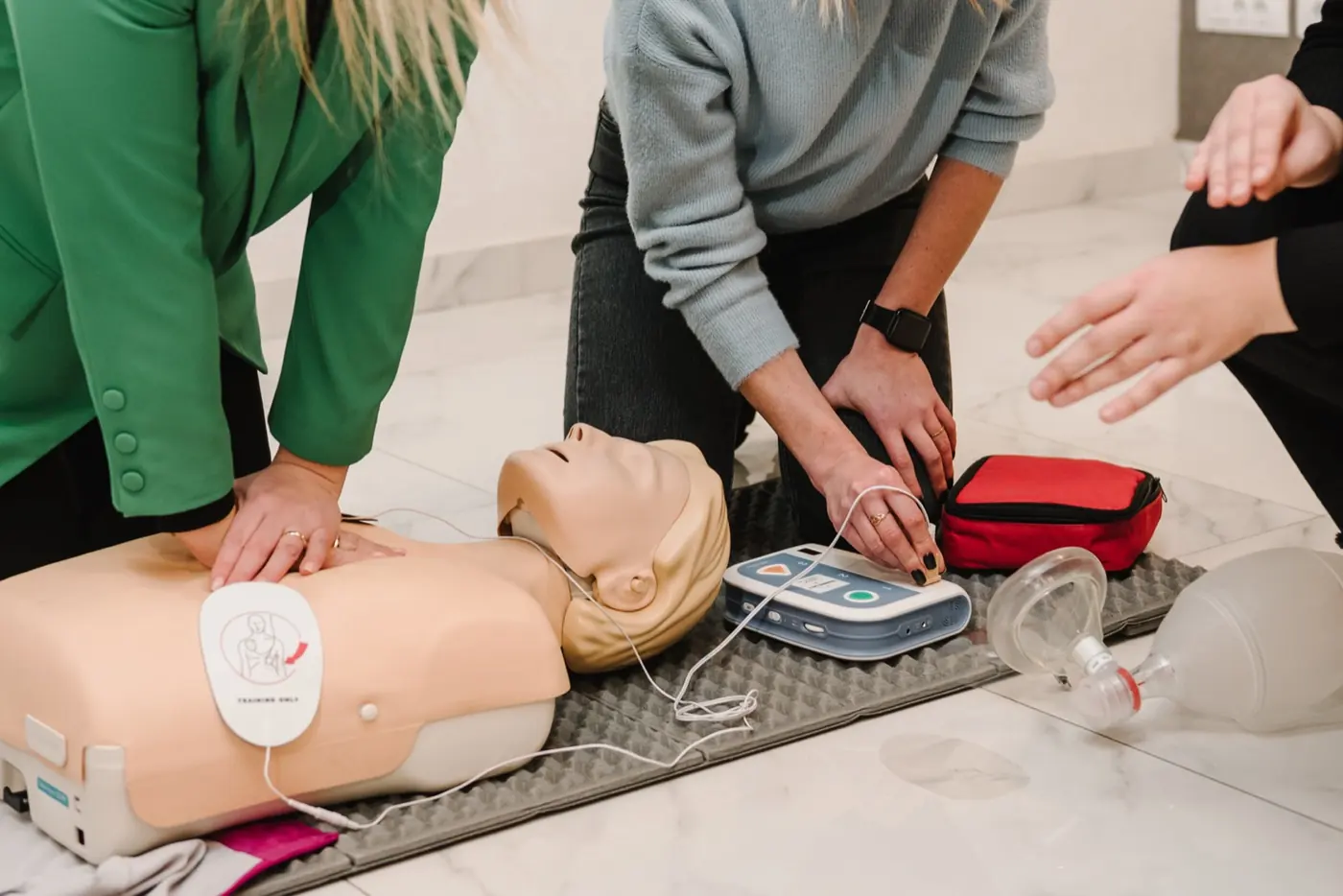
- Where is the first aid kit or room? Include the AED, if you have one: ____________
When Someone Gets Hurt
- When to call 911: for anything serious. That includes unconsciousness, trouble breathing, chest pain, heavy bleeding or a suspected head, neck or back injury. Call first aid at the same time.
- Report every injury: however small. The attendant records it in the first aid record, which protects you if it gets worse later.
- Report near misses: the close calls are how we stop the next real injury.
- Do not move a seriously injured person unless they are in immediate danger. Make the area safe and wait for the attendant.
Quick Demo
Walk the crew to the first aid kit and the AED, and ask one person to show how they would call for first aid from where they normally work. If anyone cannot, that is your gap to fix.
Questions to Ask Your Crew
- Who is the first aid attendant on night shift or weekends?
- What would you do if you could not reach the attendant?
- Has anyone had an injury they did not report? What stopped them?
Record It
Write down the date, the topic and who attended. WorkSafeBC also expects first aid procedures to be posted and practised, including a first aid drill at least once a year.
Where Clear Work Fits
We deliver Basic First Aid (formerly OFA Level 1) and Intermediate First Aid (formerly OFA Level 2) training at your workplace across the Lower Mainland, Vancouver Island, the Interior and northern BC, with one class covering up to 6 people. The free first aid requirements checker shows the minimum level, and our guide explains how to work it out.
This toolbox talk is general safety information. Follow your own first aid procedures and the current WorkSafeBC OHS Regulation.