Free Hearing Conservation Program Template for BC Employers
Based on the WorkSafeBC OHS Regulation, Part 7 (Noise).
A fill-in-the-blanks hearing conservation program for BC workplaces.
Why You Need One
Section 7.5 of the WorkSafeBC OHS Regulation requires an effective noise control and hearing conservation program when workers are exposed above 85 dBA Lex or 140 dBC peak. Many employers have the pieces in place but nothing written down.
How to use it: copy the text into a document, fill in the [square brackets] and delete what doesn't apply. It's a starting point, not legal advice; check Part 7 of the current Regulation.
1. Purpose and Scope
[Company name] is committed to protecting workers from noise-induced hearing loss. This program covers all workers at [site name(s) / address(es)] who are, or may be, exposed above 85 dBA Lex or 140 dBC peak.
2. Responsibilities
- Program owner: [Name, job title]. Responsible for running and reviewing this program.
- Supervisors: make sure workers wear hearing protection in posted areas, report noise concerns and attend training.
- Workers: wear hearing protection properly whenever required, attend hearing tests and report problems with protection or hearing.
3. Noise Measurement (Section 7.3)
- Noise levels were last measured on [date] by [person or company]. We re-measure when equipment, processes or layouts change, and at least every [number] years.
- Areas, tasks or equipment above 85 dBA: [list, e.g. shop floor, chop saw, compressor room].
- Workers or job titles exposed above the limits: [list].
- Workers are told the results and what they mean for their risk of hearing loss.
4. Noise Control
We reduce noise at the source before relying on hearing protection. Controls in place or planned:
- Engineering controls: [e.g. enclosures, mufflers, quieter equipment, maintenance schedule].
- Administrative controls: [e.g. limiting time in loud areas, scheduling noisy work when fewer people are present].
5. Hearing Protection
- Hearing protection is required in: [list areas or tasks].
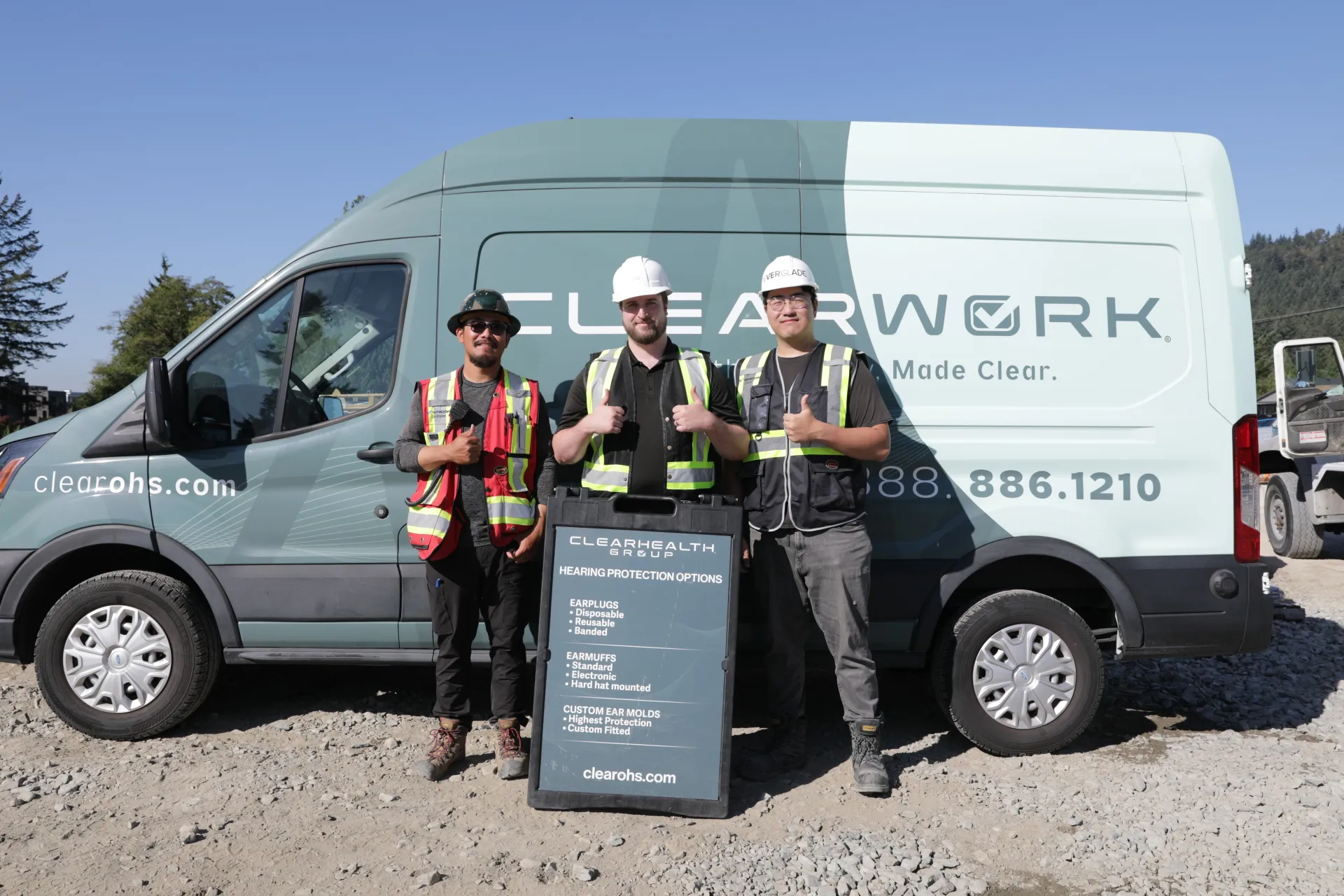
- Types provided: [e.g. foam earplugs, earmuffs, custom-moulded plugs]. Workers may choose from these where suitable.
- Protection is selected to bring each worker's exposure below the limit, based on the noise levels measured in section 3.
- Replacement protection is available at: [location].
6. Signs
Areas where noise is above the limits are posted with warning signs at: [locations].
7. Education and Training
Workers exposed to noise are trained when they start and at least [once a year], and training is recorded with the date, topic and attendees. It covers the effects of noise on hearing, where hearing protection is required, how to fit and care for protection and the purpose of hearing tests.
8. Hearing Tests
- Each worker exposed above the limits has a hearing test as soon as practicable after starting, no later than 6 months after their start date.
- After that, each worker is tested at least once every 12 months.
- Tests are done by a tester authorized by WorkSafeBC. Our provider: [company name].
- Results are explained to each worker. Where a test shows a change, we [describe follow-up, e.g. review the worker's protection and exposure].
9. Records (Section 7.9)
We keep noise measurements, training records and hearing test results at: [location or system]. Hearing test results are kept confidential, and for as long as each worker is employed.
10. Annual Review (Section 7.5)
This program is reviewed every year by [name or role]. Last reviewed: [date]; next review due: [date].
Need Help with Any Part of This?
We're a WorkSafeBC-authorized industrial audiometric business (IAB #436), bringing workplace audiometric testing to your site and keeping your results in our client portal for section 9. A free hearing program checklist is also available.