What Is a Hearing Conservation Program? A Plain Guide for BC Employers
A hearing conservation program is the plan a workplace uses to stop noise from damaging workers' hearing. In BC, it's not optional once workers are exposed to too much noise. WorkSafeBC calls it a "noise control and hearing conservation program", and section 7.5 of the Occupational Health and Safety Regulation sets out what it must include.
Who Needs One
You need a program if any worker is exposed above either BC noise limit: 85 dBA Lex averaged over the workday, or a 140 dBC peak. That covers most construction, manufacturing, forestry, warehousing and public works crews. If you're not sure, see what the 85 dBA limit means.
The Seven Parts of a Program
- Noise measurement: find out which areas, tasks and workers are over the limit.
- Education and training: workers learn the risks and how to protect themselves.
- Engineered controls: quieter equipment, enclosures or barriers where practicable.
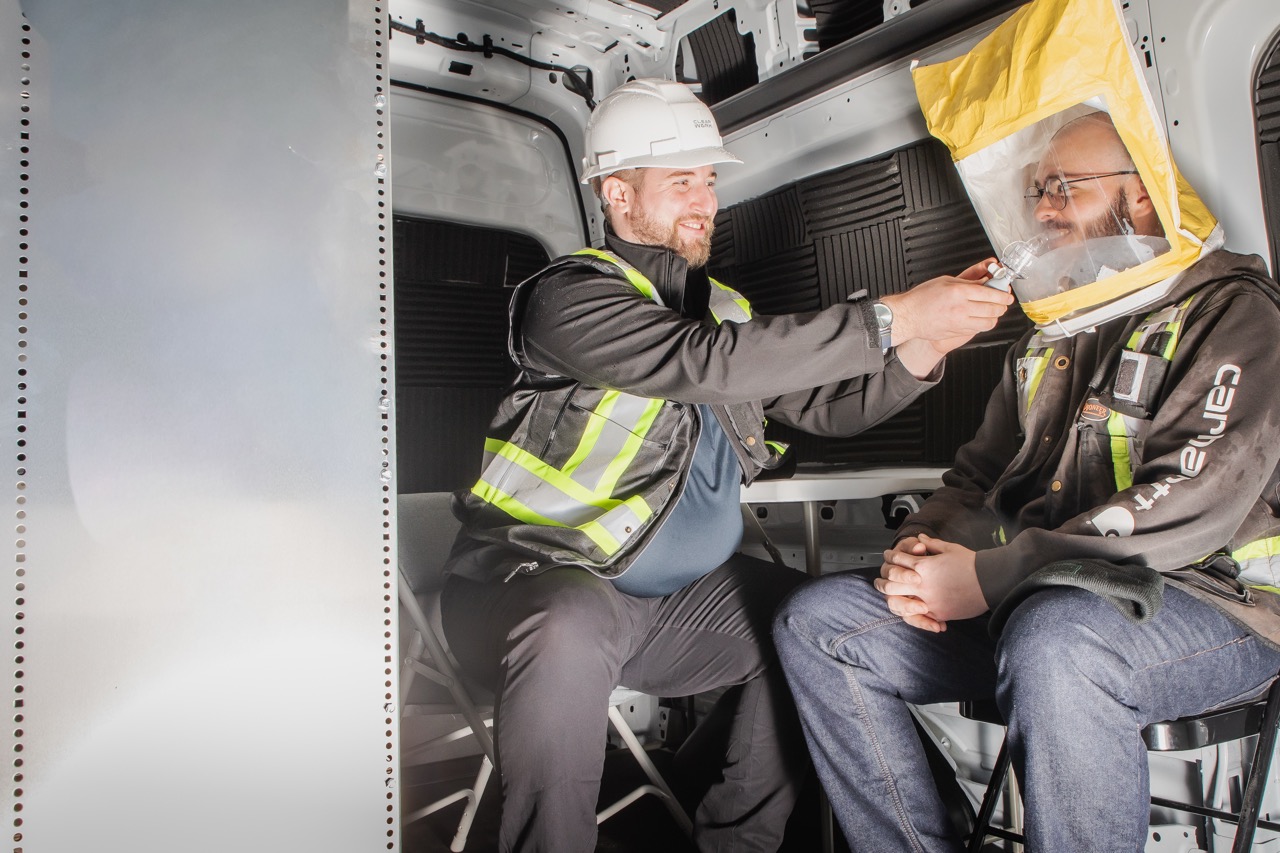
- Hearing protection: CSA-compliant earplugs or earmuffs that fit and are worn.
- Warning signs: noise hazard areas are posted, and protection is required inside them.
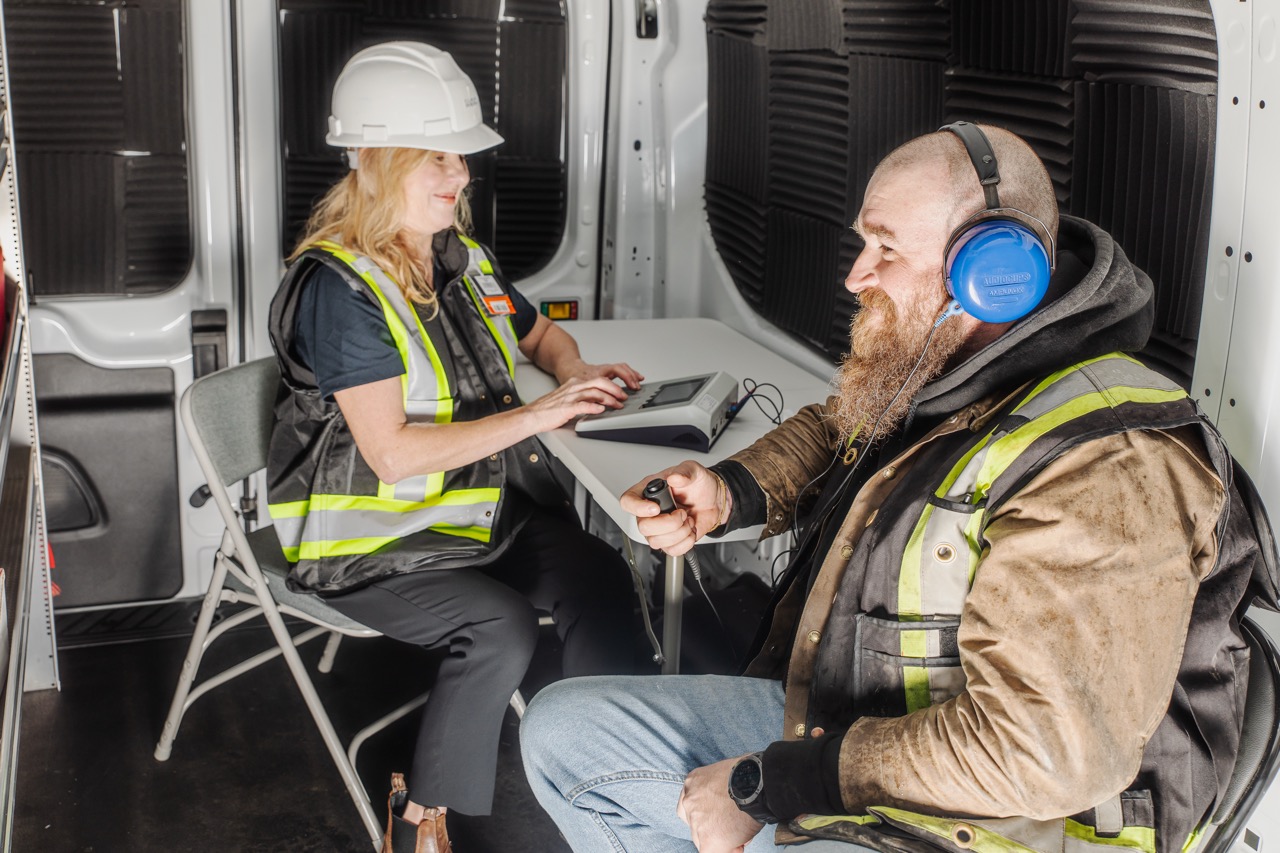
- Hearing tests: by a WorkSafeBC-authorized tester, within 6 months of hire and at least once a year after.
- Annual review: check the program still works and fix what doesn't.
Records You Need to Keep
Keep noise measurement results, training records and each worker's hearing test results. Test results are confidential and can't be released without the worker's written permission.
Where Programs Usually Fall Short
- New hires miss their 6-month hearing test deadline.
- Hearing protection is handed out but doesn't fit, so workers stop wearing it.
- The annual review never happens, so the program goes stale.
Getting Started
Download our free hearing conservation program template, then book mobile hearing testing at your site. We're a WorkSafeBC-authorized Industrial Audiometric Business (IAB #436), and every result is saved in your client portal.