Free Hearing Conservation Program Template for BC Employers
If any of your workers are exposed to noise above the WorkSafeBC limits (85 dBA Lex or 140 dBC peak), section 7.5 of the WorkSafeBC OHS Regulation requires an effective noise control and hearing conservation program. Many employers have the pieces in place but nothing written down. This template gives you a simple structure to fill in.
How to use it: copy the text below into a document, replace everything in [square brackets] with your own details, and delete anything that does not apply. Keep it with your safety records and review it every year.
This is a starting point, not legal advice. Check the current WorkSafeBC OHS Regulation (Part 7) for the exact requirements that apply to your workplace.
1. Purpose and scope
[Company name] is committed to protecting workers from noise-induced hearing loss. This program applies to all workers at [site name(s) / address(es)] who are, or may be, exposed to noise above 85 dBA Lex or 140 dBC peak.
2. Responsibilities
- Program owner: [Name, job title]. Responsible for running and reviewing this program.
- Supervisors: make sure workers wear hearing protection in posted areas, report noise concerns and attend training.
- Workers: wear hearing protection properly whenever required, attend hearing tests and report problems with protection or hearing.
3. Noise measurement (section 7.3)
- Noise levels were last measured on [date] by [person or company].
- Areas, tasks or equipment above 85 dBA: [list, e.g. shop floor, chop saw, compressor room].
- Workers or job titles exposed above the limits: [list].
- We will re-measure noise when equipment, processes or layouts change, and at least every [number] years.
4. Noise control
We reduce noise at the source before relying on hearing protection. Controls in place or planned:
- Engineering controls: [e.g. enclosures, mufflers, quieter equipment, maintenance schedule].
- Administrative controls: [e.g. limiting time in loud areas, scheduling noisy work when fewer people are present].
5. Hearing protection
- Hearing protection is required in: [list areas or tasks].
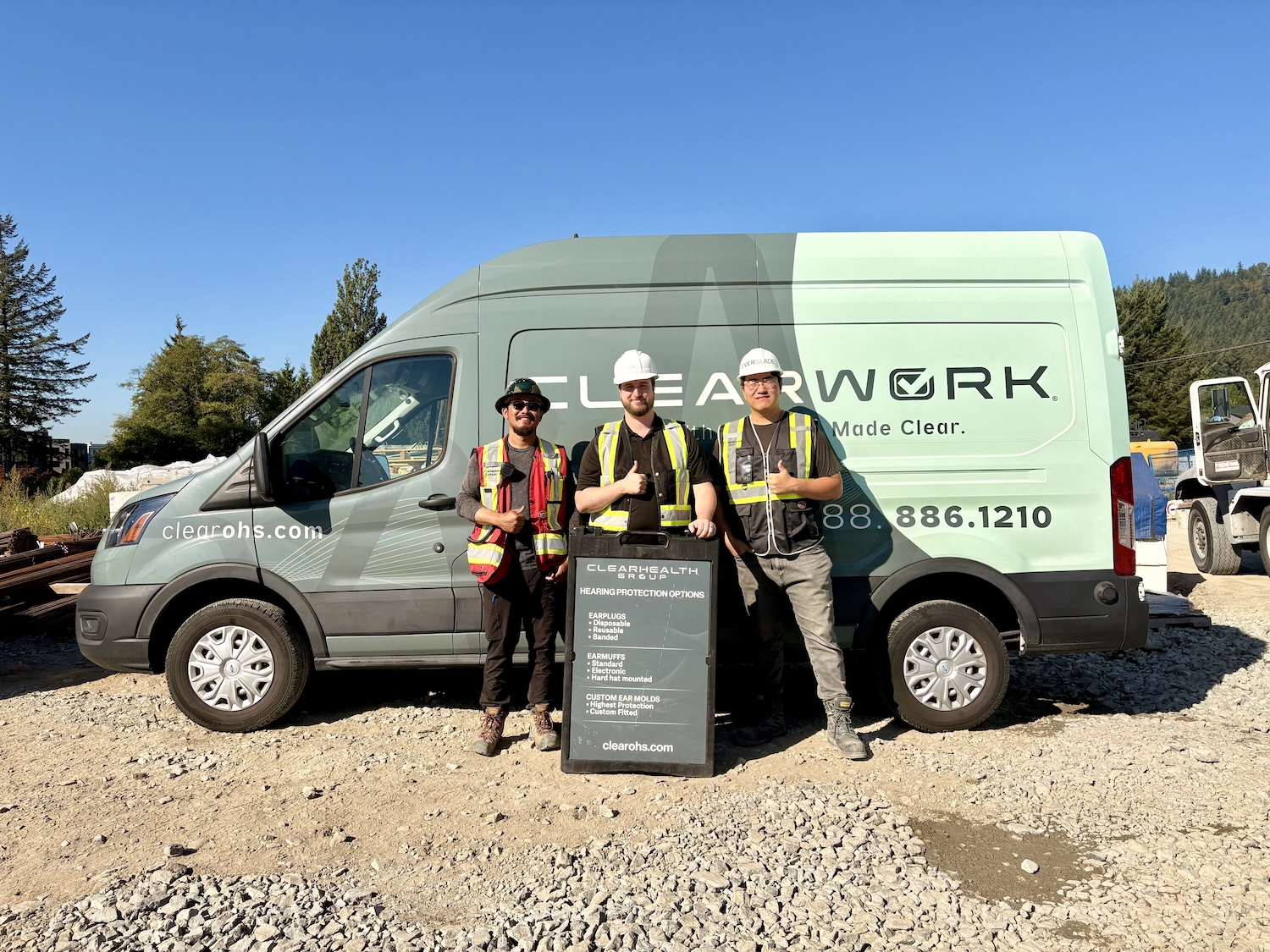
- Types provided: [e.g. foam earplugs, earmuffs, custom-moulded plugs]. Workers may choose from these where suitable.
- Protection is selected to bring each worker's exposure below the limit, based on the noise levels measured in section 3.
- Replacement protection is available at: [location].
6. Signs
Areas where noise is above the limits are posted with warning signs at: [locations].
7. Education and training
Workers exposed to noise are trained when they start and at least [once a year] on: the effects of noise on hearing, where hearing protection is required, how to fit and care for protection, and the purpose of hearing tests. Training is recorded with the date, topic and attendees. Free materials: hearing protection toolbox talk and noise exposure toolbox talk.
8. Hearing tests
- Each worker exposed above the limits has a hearing test as soon as practicable after starting, and no later than 6 months after their start date.
- After that, each worker is tested at least once every 12 months.
- Tests are done by a tester authorized by WorkSafeBC. Our provider: [company name].
- Results are explained to each worker. Where a test shows a change, we [describe follow-up, e.g. review the worker's protection and exposure].
9. Records
We keep noise measurements, training records and hearing test confirmations at: [location or system].
10. Annual review (section 7.5)
This program is reviewed every year by [name or role]. Last reviewed: [date]. Next review due: [date].
Need help with any part of this?
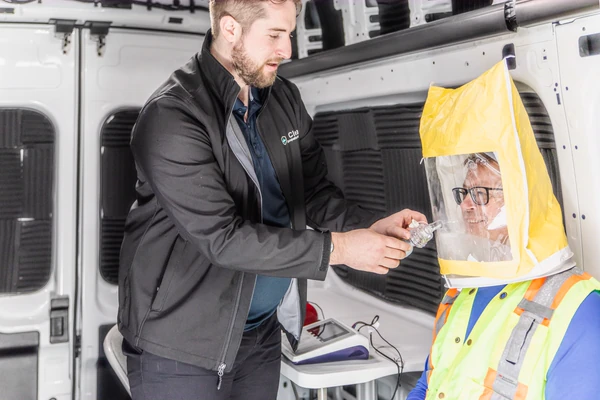
Clear Work is a WorkSafeBC-authorized industrial audiometric business (IAB #436). We bring mobile hearing testing to your site and keep your results in our client portal for section 9.
See also: the free hearing program checklist, the compliance calendar and our free toolbox talk library.