Why BC Employers Run Spirometry
There is no section of the BC Occupational Health and Safety Regulation that requires spirometry. We would rather tell you that than sell you a rule that does not exist. Employers test anyway, for four reasons:
- Lung damage does not come back. Silicosis, occupational asthma and dust-related COPD are permanent. Periodic testing catches decline while it can still be acted on - the same logic that makes you test hearing.
- A baseline protects you. Without a pre-exposure test, any later decline in a worker's lung function is presumed occupational. A baseline is the only evidence of what you inherited.
- Exposure control plans. If you have an ECP for respirable silica, wood dust, welding fume or isocyanates, OHSR 5.54(2)(f) lists health monitoring as an element “when required”. Spirometry is what that looks like in practice.
- Respirator programs. Where there is doubt about a worker's ability to wear a respirator, OHSR 8.42 calls for a physician examination. Objective lung function data informs that conversation.
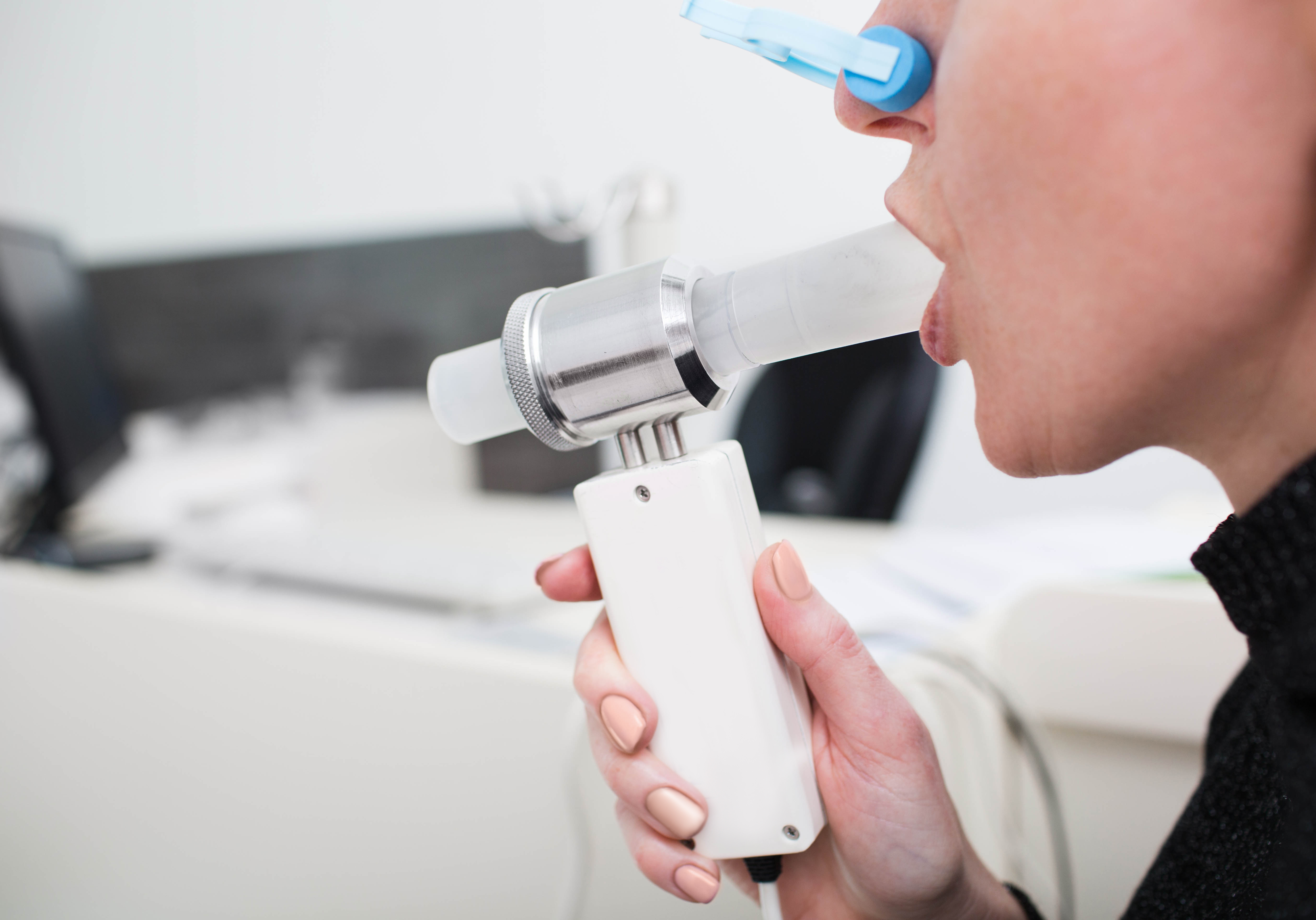
In November 2025 we ran on-site spirometry for 25 workers at a Fraser Valley feed mill, testing across an 11am to 6pm window so the day crew and the afternoon shift were both covered in a single visit.
We test crews across several sectors, including construction, manufacturing, forestry and wood products, where cedar and softwood dust carry a documented asthma risk, and agriculture and food processing, where grain dust does.
We already bring the van to your site for hearing testing. Adding spirometry to the same visit costs you one round of scheduling instead of two.