Grain Dust Is Easy to Ignore and Hard to Undo
Grain and feed dust does not smell like a hazard. There is no sharp solvent warning, no visible fume - just dust that people work in every day for years. It is nonetheless a recognised respiratory hazard, associated with occupational asthma, chronic bronchitis and organic dust toxic syndrome, and it carries endotoxin from bacteria living on the grain.
Depending on the operation your people may also be breathing mould spores and bioaerosols in storage and handling, ammonia and dust in livestock and poultry barns, and diesel particulate around loaders and trucks.
There is no section of the BC OHS Regulation that requires spirometry for grain dust or anything else, and we would rather say that plainly than sell you a rule that does not exist. What testing gives you is a baseline recording what a worker's lungs were like before they started on the mill floor, and a series that shows whether anyone is declining faster than ageing alone explains.
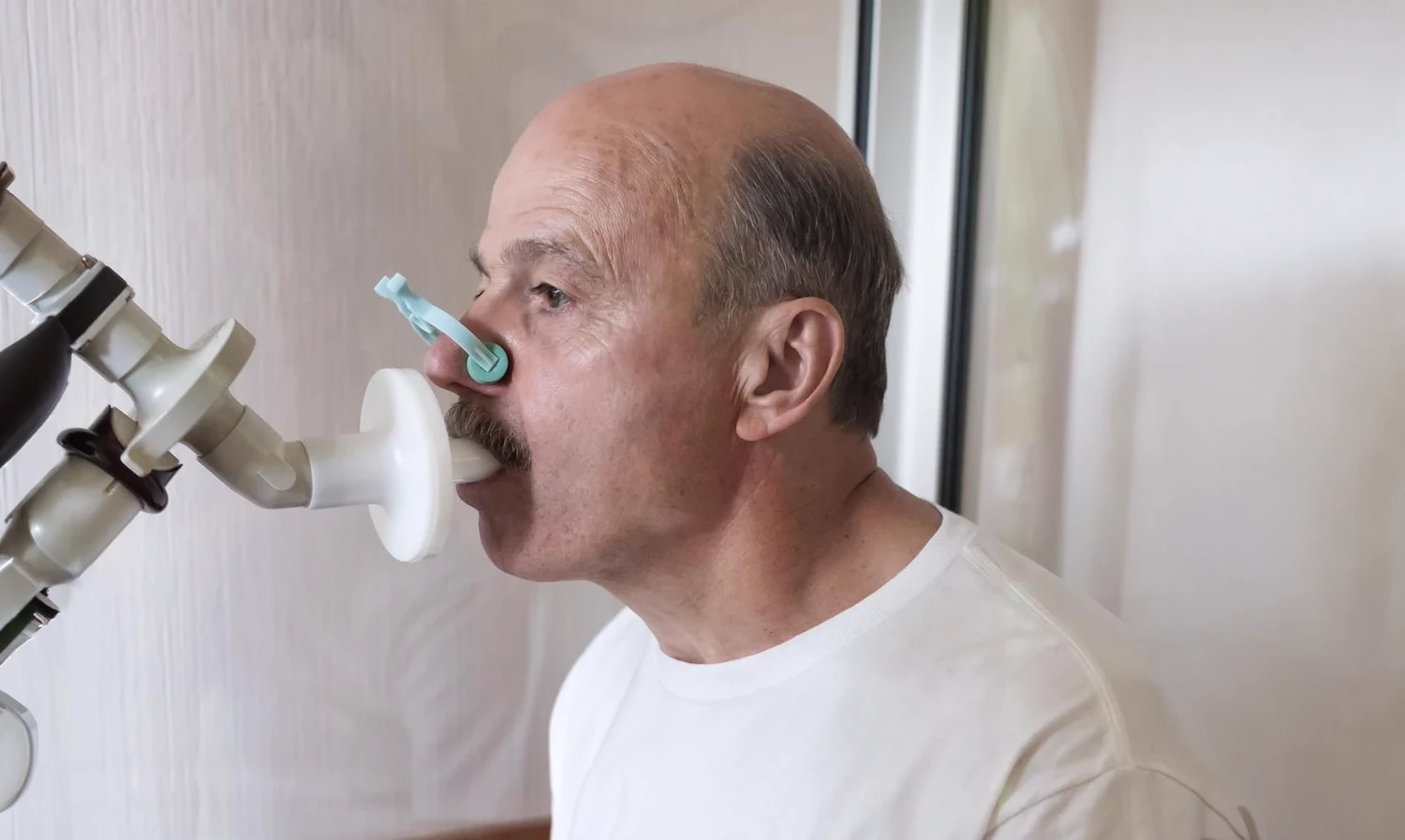
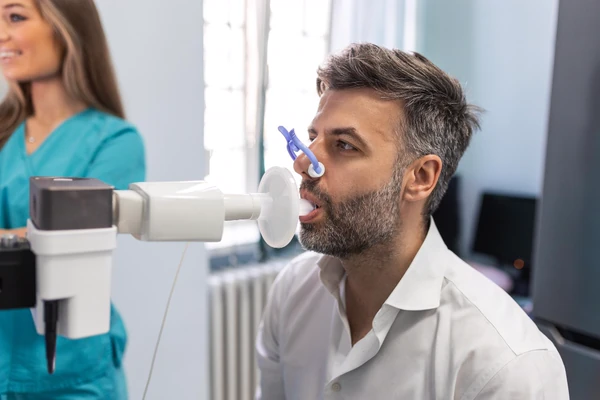
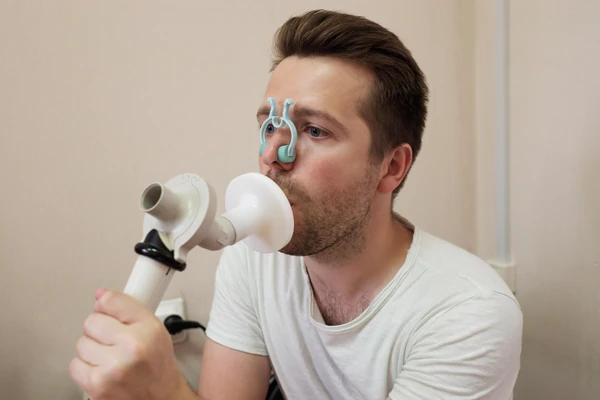
We have done this work. In November 2025 we ran on-site spirometry for 25 workers at a Fraser Valley feed mill, testing across an 11am to 6pm window so the day crew and the afternoon shift were both covered in a single visit.
We also provide hearing testing, respirator fit testing and first aid training for agriculture and food processing employers.