Why Respirator Fit Testing Is Essential During Wildfire Season in British Columbia
As wildfire seasons become longer and more severe across British Columbia, employers are increasingly faced with protecting workers from poor air quality and airborne hazards. Whether your team works in construction, utilities, municipal operations, forestry, landscaping, agriculture, or other outdoor environments, preparing for wildfire smoke is an important part of workplace health and safety.
While many people recognize the importance of wearing an N95 or other approved respirator during periods of poor air quality, fewer realize that a respirator can only provide its intended level of protection if it fits properly. A poorly fitting respirator may allow contaminated air to bypass the filter, reducing the level of protection it was designed to provide.
Respirator fit testing helps ensure each employee achieves an effective seal, providing greater confidence that their respiratory protection is working as intended when they need it most.
Key Takeaways
- Wildfire smoke can create serious respiratory hazards for outdoor workers.
- A respirator only provides its intended protection when it fits properly.
- Respirator fit testing confirms an effective seal for each individual employee.
- Employers should prepare before wildfire season by reviewing their respiratory protection program.
- Mobile on-site fit testing minimizes downtime and makes testing convenient for employers.
Why Wildfire Smoke Is a Workplace Concern
Wildfire smoke contains a mixture of gases and fine particulate matter (PM2.5), which can penetrate deep into the lungs. Exposure may affect healthy individuals and can pose additional risks for those with existing respiratory or cardiovascular conditions.
Common symptoms of wildfire smoke exposure include:
- Eye, nose, and throat irritation
- Coughing or shortness of breath
- Headaches
- Fatigue
- Reduced visibility and decreased work performance
- Worsening of asthma or other respiratory conditions
For employees who spend extended periods outdoors, repeated exposure during wildfire season can become a significant occupational health concern.
Industries Most Affected
Many industries across British Columbia may experience increased exposure to wildfire smoke, including:
- Construction
- Municipal public works
- Utilities
- Forestry
- Landscaping
- Agriculture
- Road maintenance
- Mining
- Aviation ground crews
- Parks and recreation
- Environmental services
Even workplaces that operate primarily indoors may need to assess exposure when employees work outside periodically or when outdoor smoke affects indoor air quality.
Why Wearing an N95 Isn't Enough
Providing employees with an N95 respirator is only one part of an effective respiratory protection program.
Filtering facepiece respirators, such as N95s, rely on a tight seal against the wearer's face. If air leaks around the edges of the respirator, airborne contaminants can bypass the filter, reducing its effectiveness.
Every employee has a unique facial shape, and different respirator models fit differently. Facial hair, improper sizing, or incorrect positioning can all affect the seal.
Respirator fit testing confirms that the selected make, model, and size of respirator fits the individual employee correctly.
What Is Respirator Fit Testing?
Respirator fit testing is a standardized process used to verify that a respirator forms an effective seal on the wearer's face.
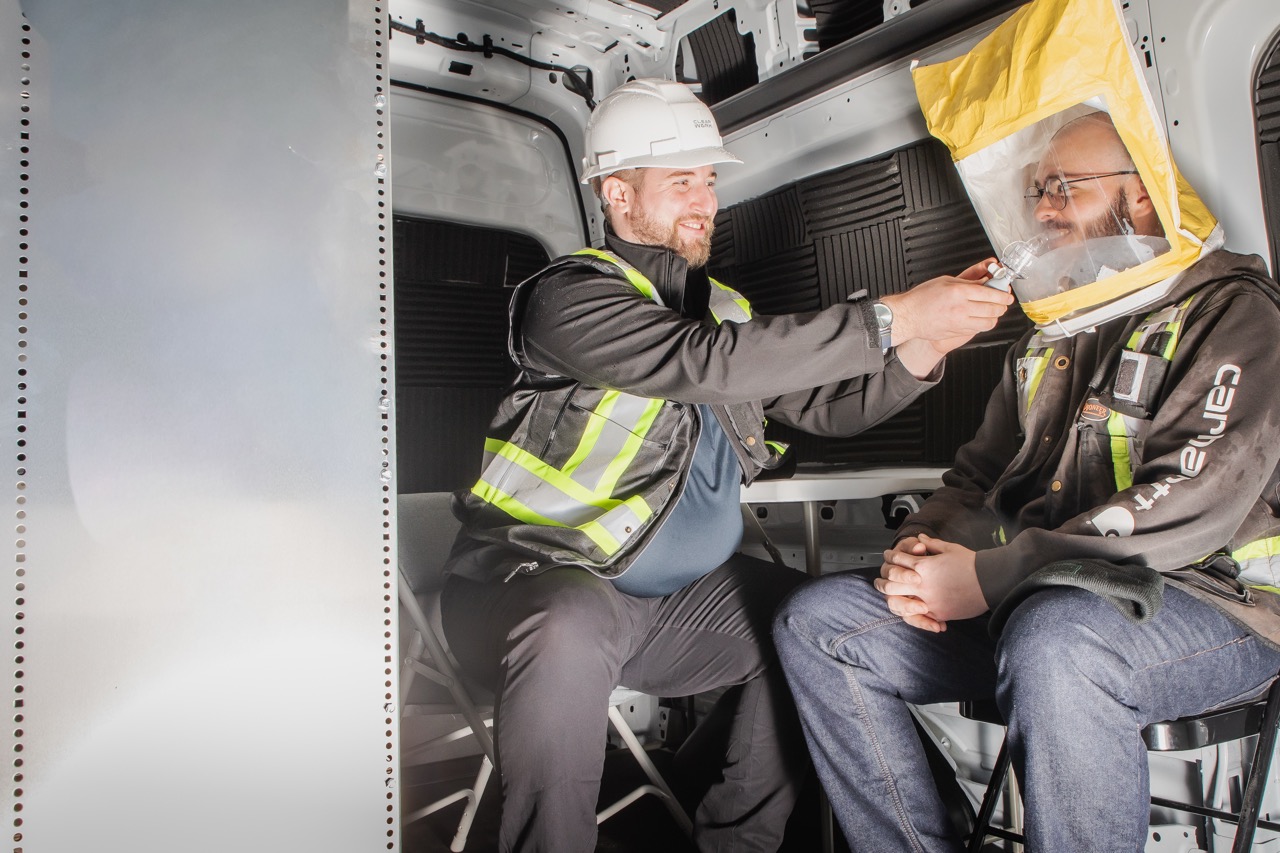
During a qualitative fit test, the employee wears the respirator while completing a series of exercises such as talking, turning their head, and bending over. A harmless test agent is introduced to determine whether the respirator maintains an adequate seal throughout normal movement.
The process typically takes about 10 to 15 minutes per employee.
To achieve a proper seal, employees must be clean-shaven anywhere the respirator contacts the face.
Employer Responsibilities in British Columbia
Employers have a responsibility to assess workplace hazards and implement appropriate measures to help protect workers from occupational exposures.
When respirators are required as part of a workplace respiratory protection program, employers should ensure employees receive:
- Appropriate respirator selection
- Respirator fit testing
- Training on proper use and limitations
- Inspection and maintenance instructions
- Ongoing review of respiratory protection needs
Preparing in advance helps organizations respond more effectively when wildfire smoke or other airborne hazards affect workplace conditions.
Preparing Before Wildfire Season
The best time to prepare is before smoke impacts your operations. Employers should consider:
- Reviewing their respiratory protection program
- Identifying employees who require respirators
- Scheduling respirator fit testing before wildfire season
- Ensuring respirators are available and in good condition
- Replacing damaged or expired equipment
- Training employees on proper respirator use, storage, and inspection
- Monitoring local air quality and adjusting work activities when necessary
Planning ahead can reduce operational disruptions and help keep employees protected throughout wildfire season.
Benefits of Mobile On-Site Fit Testing
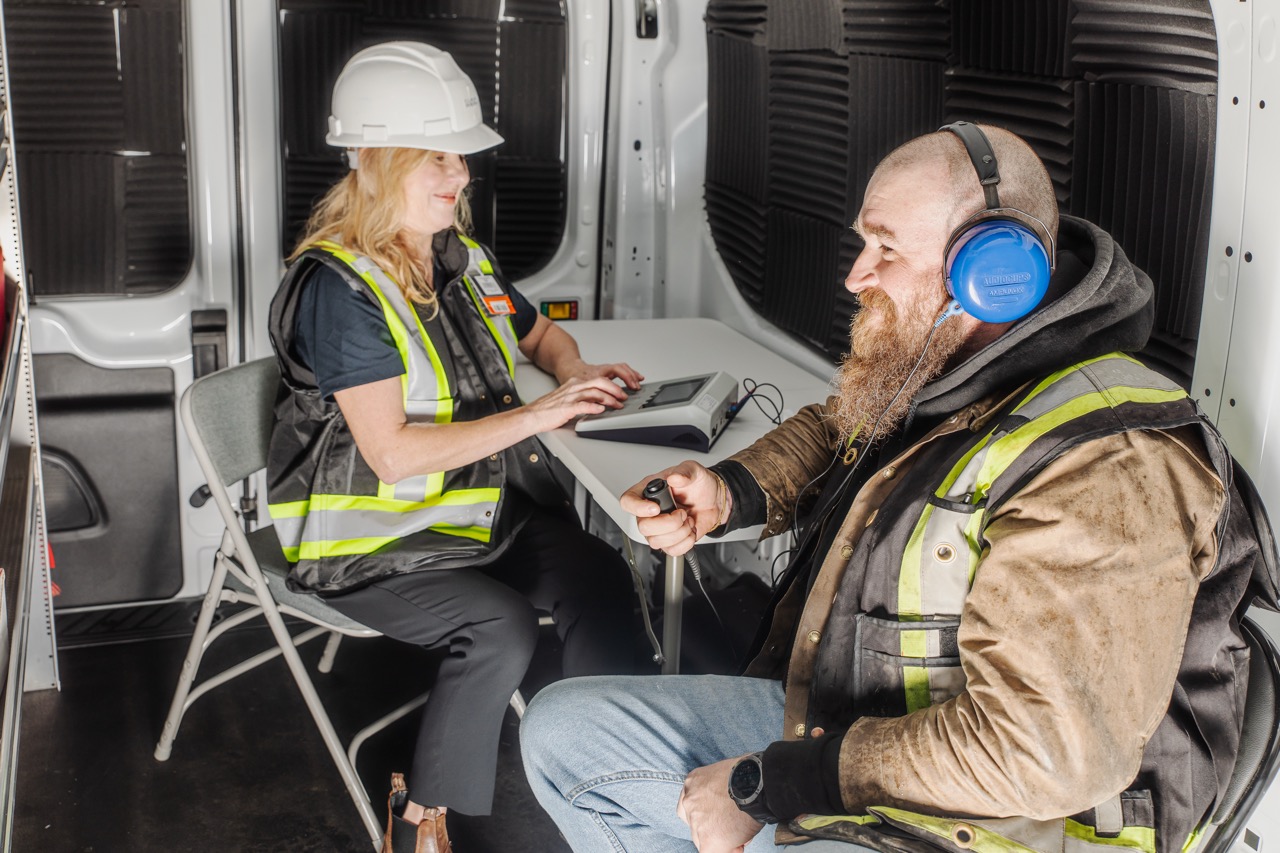
Mobile respirator fit testing allows employers to complete testing at their own workplace, eliminating the need for employees to travel off-site.
Benefits include:
- Reduced employee downtime
- Convenient workplace scheduling
- Immediate documentation
- Efficient testing for multiple employees
- Minimal disruption to daily operations
On-site fit testing is particularly beneficial for construction companies, municipalities, manufacturing facilities, utilities, transportation companies, and organizations with larger workforces.
Respirator Fit Testing Is Important Year-Round
Although wildfire season often highlights the importance of respiratory protection, respirator fit testing is necessary for many workplaces throughout the year.
Employees may require respirators when working around hazards such as:
- Silica dust
- Concrete dust
- Wood dust
- Welding fumes
- Metal particulates
- Chemical vapours (with the appropriate respirator)
- Other airborne workplace contaminants
Regardless of the hazard, ensuring a respirator fits correctly is an important part of protecting workers and supporting an effective respiratory protection program.
Frequently Asked Questions
How long does respirator fit testing take?
Most qualitative respirator fit tests take about 10 to 15 minutes per employee.
Can employees have facial hair during a fit test?
No. Employees must be clean-shaven anywhere the respirator seals against the face to achieve an effective fit.
Can respirator fit testing be completed at our workplace?
Yes. Mobile on-site fit testing allows employers to have employees tested at their own facility, reducing downtime and improving convenience.
How often should respirator fit testing be completed?
In BC, workers who wear a tight-fitting respirator need a fit test before first use and at least once a year after that, plus a new test whenever they switch to a different respirator model or size, or have changes that may affect the fit. See WorkSafeBC fit testing requirements for the details.
Prepare Before the Smoke Arrives
Wildfire smoke can develop quickly, leaving employers little time to prepare once air quality begins to deteriorate. Having an established respiratory protection program and ensuring employees have properly fitted respirators before wildfire season can help keep your workforce safe while minimizing operational disruptions.
Clear Health Group provides mobile qualitative respirator fit testing for workplaces throughout British Columbia. Our experienced healthcare professionals travel directly to your worksite, making it easy to complete fit testing with minimal disruption to your operations.
If your organization is preparing for wildfire season or requires annual respirator fit testing, see our on-site respirator fit testing or get an instant quote.