Noise Surveys for Farms and Food Processing Plants

Agricultural and food processing exposure is seasonal and uneven. We time sampling to the work that actually drives it, so the report describes your operation at its loudest rather than its quietest.

Minimum 5 people per visit. Our on-site services are booked for groups of 5 or more; we do not offer single-person visits.

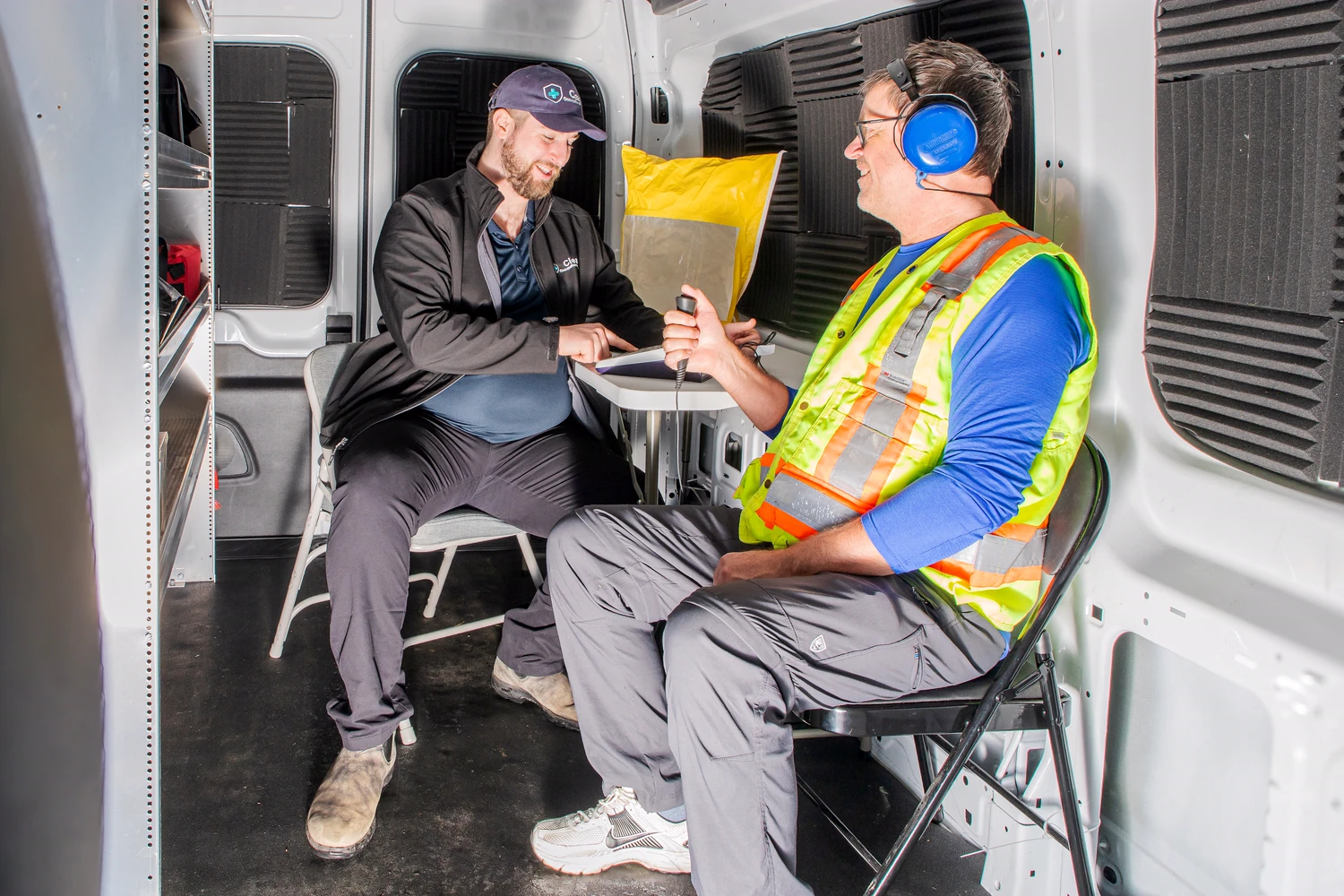
Noise measurement on site by Clear Work in agriculture and food processing
Registered Nurses
Certified Industrial Audiometric Technicians
Occupational Health Compliance Programs
Fully Licensed & Insured
BBB Accredited
100+ BC Employers Served
Why Seasonal Operations Need Careful Sampling

Measuring in the Off-Season Tells You Almost Nothing

A packing line at the height of the season and the same line in the quiet months are different workplaces. Exposure data collected at the wrong time of year will understate what your people are actually exposed to. Typical noise sources include:

  • Grain dryers, augers and handling systems
  • Barn ventilation fans and vacuum pumps
  • Tractors, loaders and mobile equipment
  • Bottling, canning and packaging lines
  • Blast freezers, refrigeration and high-pressure washdown

Section 7.2 sets two exposure limits, and an employer must ensure workers are not exposed above either one: an 85 dBA Lex daily noise exposure level, and a 140 dBC peak sound level. The first is an average across the working day; the second is a single loud event, measured at its peak.

Under section 7.3(1), an employer must measure worker noise exposure where a worker is or may be exposed to potentially harmful levels of noise, or where information indicates exposure may exceed 82 dBA Lex. That sits below the 85 dBA Lex limit — the duty to measure starts before you are over the line.

There is an alternative, and we would rather tell you about it than not. Section 7.4 removes the duty to measure where the employer, based on other information, identifies the worker as being exposed in excess of an exposure limit and establishes an effective noise control and hearing conservation program for that worker. Note what that costs: it is an evidence-based identification rather than a free election, and the program it commits you to includes engineered noise control, not just hearing tests and earplugs. Measuring is worth it when you want to know who is genuinely below the limits, size hearing protection to the actual level, or show an officer real numbers instead of an assumption.

One limitation we would rather state up front: full-shift dosimetry establishes daily exposure against the 85 dBA Lex limit. Impact noise measured against the 140 dBC peak limit is a separate question, and we will tell you which of the two a given survey addresses.

For the wider picture, we set out the WorkSafeBC hearing testing and noise requirements in full, straight from the regulation.
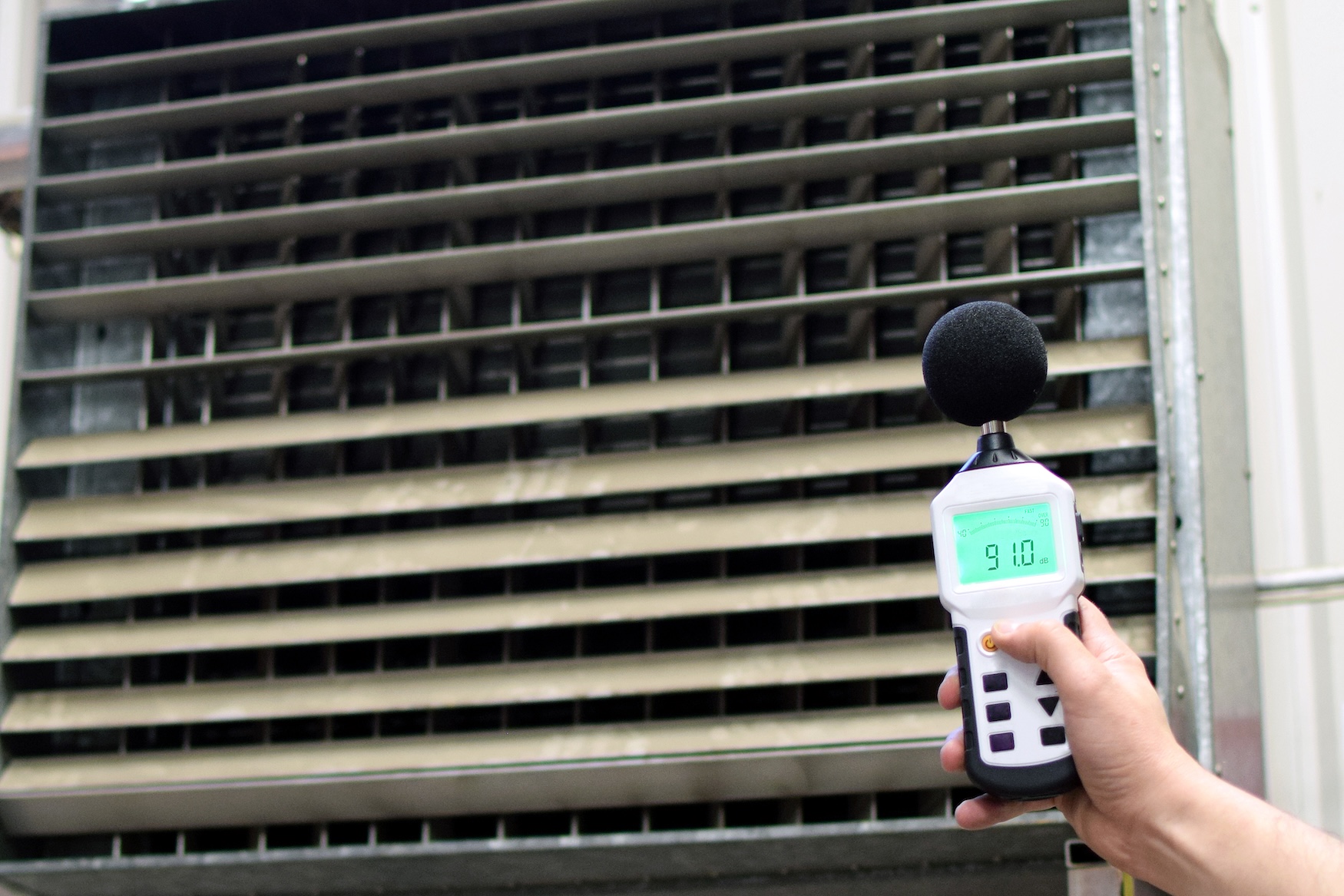
Sound level meter reading 91 decibels beside industrial ventilation plant
What's Included

What an Agricultural Noise Survey Gives You

Full-shift personal dosimetry and area readings, using methods based on CSA Standard Z107.56, with calibration recorded and results documented for your program file.

Full-Shift Dosimetry

Personal noise dosimeters worn across a real working shift, so the numbers reflect the job as it is actually done.

Area Mapping

Sound level meter readings across the site, so you can decide where hearing protection is needed and where signs should go if section 7.7 applies to you.

Documented Results

Measured levels, the sampling method, and field calibration records. Section 7.9(c) requires you to keep the results of noise measurements taken under 7.3 — we give you those results in a form you can keep.

Why Partner With Us

Why BC Growers and Processors Choose Clear Health Group

We already deliver on-site hearing testing to farms and food processors across the Lower Mainland and Fraser Valley and work around harvest and production schedules. Noise measurement is part of the wider workplace noise survey service we run across the Lower Mainland and Fraser Valley.

Sampled in Season

We plan measurement for when the work that drives exposure is running — harvest, pack, or peak processing — rather than whenever the calendar happens to be free.

Seasonal and Permanent Crews Both Covered

Seasonal workers are exposed too. We scope sampling so temporary crews are represented in the data rather than left out of it.

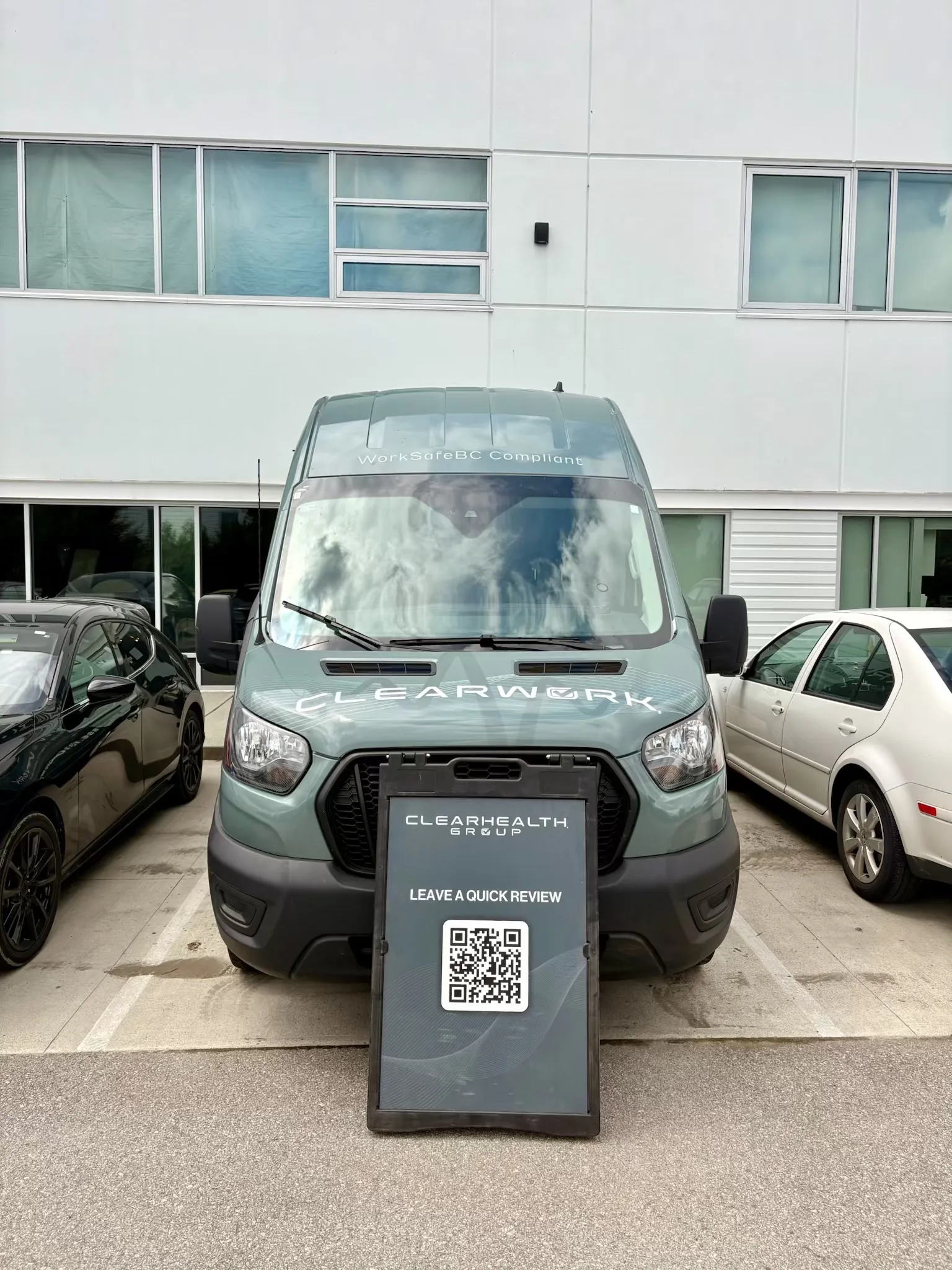
Clear Work mobile occupational health van parked at a worksite
5.0
*
Average Rating
100
+
BC Employers, All Services
82
dBA Lex
One Trigger For The Duty To Measure
Where We Work

Provincial Coverage. Local Service.

Clear Health Group delivers mobile occupational health and RN-led home services across British Columbia - including the Lower Mainland, Fraser Valley, Vancouver Island, and the BC Interior. Our team travels directly to worksites and homes, eliminating the need for clinic visits.

Currently serving major BC municipalities including:

What Employers Across BC Say About Us

Clear Health Group supports employers with reliable, structured mobile health services designed to simplify compliance and reduce operational disruption. Families trust our RN-led team for professional in-home care delivered with consistency and clinical oversight.

We recently used Clear Health Group for our company-wide annual hearing testing and respirator fit testing across two locations and two days. … Seamless and professional.

Verified Google Review

They showed up to our jobsite in Duncan, on time and were well prepared for our team to have their fit tests done on site.

Verified Google Review

Wonderful experience! Noah was lovely to coordinate with and the testing experience was seamless for our team! Would happily book again for our next test. Cheers!

Bodhin Kidd

We got our mask fitting tests done by Amy. Both the service and attitude were excellent! Will definitely call them again for other services!

Fa R-O

Great experience with Noah and Catherine. Showing up on time, very professional and on track for the schedule.

Fady Moussa

Definitely good at their job. Noah and Amy were at our construction job site and did a good job for testing. Helped all our crew on site.

Tanveer Singh

Happy to have booked with Clear Work. Noah & Nina were fast, easy to work with, and readily available. 5/5!

Jason Mitchell

ClearHealth is fantastic. Very accommodating and Noah is an absolute pleasure. Very friendly, quick services, very efficient! Highly recommend.

Brenda Cox

Friendly, professional and accommodating team! Pleasure to work with.

Danny Desousa

A great on-site hearing test experience. Katherine was kind, professional, and made the process quick and comfortable.

Vijay Kethan

Overall it was a wonderful experience for the test. Very professional and good consultation regarding hearing loss prevention.

Lovepreet Singh

Ammy took my hearing test and it was an awesome experience. She was very professional, kind, and explained everything clearly. The test was done smoothly and I felt comfortable the entire time. I truly appreciate her patience and excellent service. Highly recommended!

Bipanpreet Singh

Frequently Asked Questions

Common questions from BC farms and food processors about noise measurement.

When should we schedule a noise survey on a seasonal operation?
arrow_forward_ios

During the period that actually drives exposure. For a packing or processing operation that usually means peak season; for field operations it means when the relevant equipment is running. A survey carried out in a quiet month will understate exposure and give you data you cannot rely on, so we would rather book it for the right window than the next available one.

Do we legally have to do a noise survey?
arrow_forward_ios

Section 7.3(1) requires you to measure noise exposure where a worker is or may be exposed to potentially harmful levels of noise, or where information indicates exposure may exceed 82 dBA Lex. Section 7.4 offers an alternative: you may skip measurement if you instead treat those workers as over-exposed and establish an effective noise control and hearing conservation program for them. Measuring is the route that tells you who is actually below the limit.

How long does a survey take?
arrow_forward_ios

Personal dosimetry is a full-shift measurement, so a survey day brackets a whole working shift — we fit dosimeters at shift start and collect them at the end. Area readings are taken in between. A single site is usually one day; an operation spread across several sites is scoped and quoted accordingly.

Who is allowed to perform noise measurement in BC?
arrow_forward_ios

The regulation sets no certification requirement for the person measuring. What it does require, under section 7.3(2), is that the measurement be carried out in accordance with CSA Standard Z107.56. The method is regulated, not the job title — which is why you should ask any provider how they sample, not just who they are.

Do we still need hearing tests if we have a survey?
arrow_forward_ios

Yes, for workers exposed above the limits. Section 7.8 requires a test within six months of starting work and at least once every 12 months after that, administered by a hearing tester authorized by the Board. The survey is what tells you which workers that applies to.

Book a Noise Survey for Your Operation

Tell us your operation, your peak season and the areas to cover, and we will scope it. We reply within 1 business hour.

Please note: our on-site services are booked for groups of 5 or more people at one site.

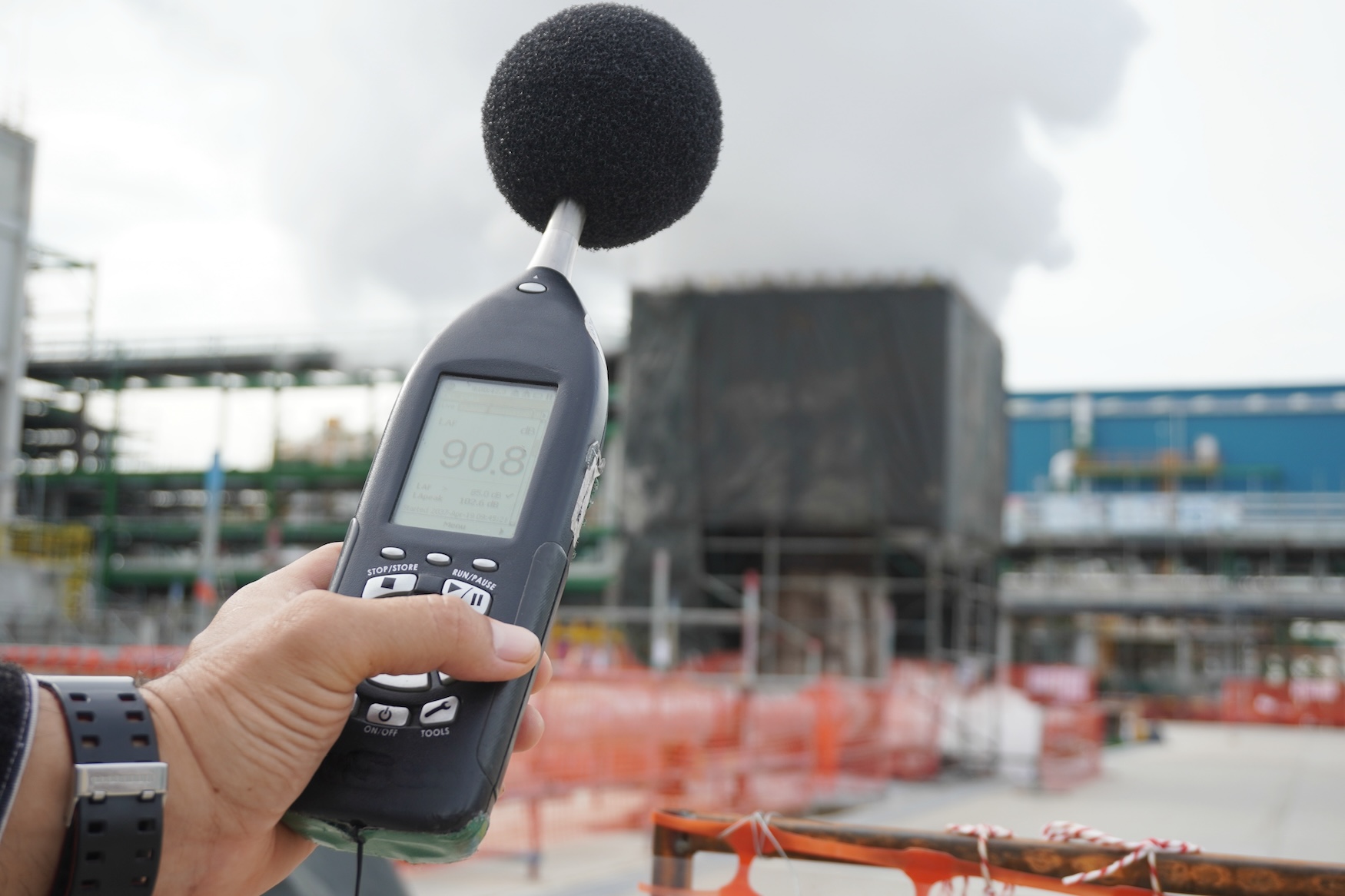
Sound level meter being used to take a noise reading at an industrial site